Daylight and Outdoor Living: Design Moves That Sell in NZ

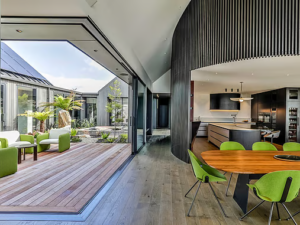
In New Zealand housing, buyers and tenants don’t just purchase bedrooms and bathrooms — they buy daylight, warmth, and a living space that works year-round. In practice, small design moves around window placement, room depth, and outdoor connections can lift perceived value more reliably than adding floor area. This article focuses on the daylight and outdoor-living decisions that consistently improve liveability and saleability in Hamilton and the wider Waikato.

Single House vs Multi-Unit vs Terrace: Choosing the Right Typology for the Site

In New Zealand development, “more dwellings” is not always the best outcome if it introduces parking pain, servicing constraints, awkward layouts, or slow sales. The right typology is the one that fits the site’s limits, matches the local buyer or tenant profile, and keeps delivery risk inside your capability. Here’s a practical way to choose between a single house, a small multi-unit scheme, or terrace-style housing in Hamilton and the wider Waikato.

What Successful Projects Have in Common in the Current Cycle

In a more disciplined market, successful residential projects are defined less by scale and more by structure. Across Hamilton and Waikato, projects that are progressing smoothly in 2025 share a set of common characteristics rooted in realism, alignment and execution quality.

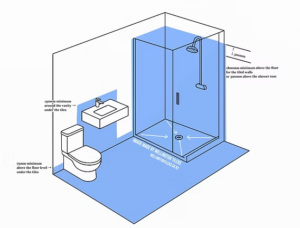
Waterproofing Under Tiles: What Actually Protects NZ Bathrooms

Tiles are not waterproof — the system beneath them is. In New Zealand bathrooms, many failures occur because waterproofing is misunderstood or poorly executed, even when tiles look perfect. This article explains what actually keeps water out, and where NZ bathrooms most often go wrong.

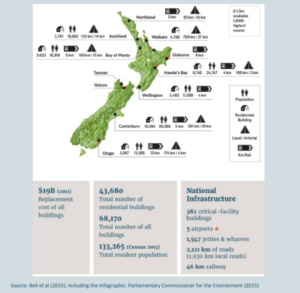
Insurance, Flood Risk and Development Decision-Making

Insurance availability and climate-related risk are playing a more visible role in property and development decisions across Waikato. In Hamilton, flood exposure and stormwater considerations are increasingly influencing site selection, design responses and long-term asset strategy.

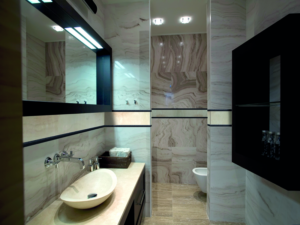
Movement Joints in Tiled Bathrooms: The Detail That Prevents Cracks

Tile failures are often blamed on materials, but in NZ bathrooms the real cause is frequently missing or misplaced movement joints. These small gaps absorb building movement that tiles and grout cannot. This article explains where movement joints belong — and why skipping them almost always leads to cracks.