The Evolution of Minor Dwellings: Navigating the 2026 “Granny Flat” Regulatory Shift in the Waikato

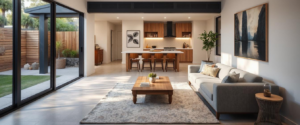
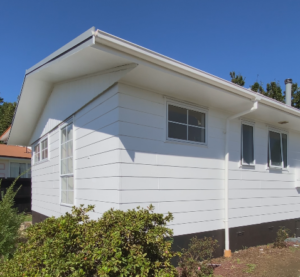
The central government's recent streamlining of consent pathways for minor dwellings—often referred to as granny flats—has sparked an unprecedented wave of interest across the Waikato region. By positioning standard self-contained units up to 70m² as a permitted activity, property owners can now add a secondary residence to their site with far less bureaucratic friction.

The Convergence of Clause H1 and Automation: Why Smart Homes Are the Future of NZ Energy Efficiency

The closing transition window for Building Code Clause H1 (Energy Efficiency) on November 26, 2026, marks the end of isolated, component-by-component building design. By removing the traditional Schedule Method, MBIE now requires new residential builds to demonstrate total, integrated thermal envelope performance.

Navigating the 2026 NZ Building Code Transition: The Shift to Whole-System Performance

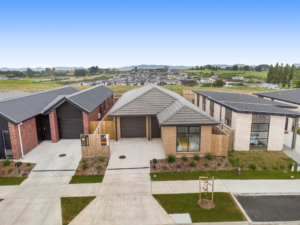
The New Zealand residential construction sector is currently experiencing a major structural reset. Following years of fluctuating material costs and high interest rates, the focus across the industry has decisively shifted away from volume and speed. Today, the priority is delivery certainty, fiscal discipline, and design efficiency.

Strategic Refreshes: Maximizing Lifecycle and Value in Existing Homes

Renovation is an exercise in strategic asset allocation. Knowing where to invest structural capital versus where to update architectural finishes dictates both the immediate financial success and the long-term viability of a property project.