Financing Options: Bank Development Loans vs Private Partners vs Pre-Sales

In New Zealand, funding is rarely “one-size-fits-all”. Banks tend to be cheaper but more conservative (documentation, equity, presales, QS/valuation controls). Non-bank lenders can be faster and more flexible (often higher cost). Joint ventures and private partners can unlock scale but require very clear governance and exit rules. This article breaks down the most common funding paths for small-to-mid residential developments and renovations, with practical notes for Hamilton and Waikato.

A Simple Feasibility Model for Small-Scale Developers

A good feasibility model doesn’t need to be complex—it needs to be realistic. In New Zealand, the biggest feasibility mistakes usually come from timing (holding costs), missing council charges (especially Development Contributions), and tax/GST assumptions that don’t match your strategy. This guide gives you a simple, lender-friendly feasibility structure you can use for small subdivisions, infill builds, or renovation-for-resale projects—plus practical notes for Hamilton and Waikato conditions


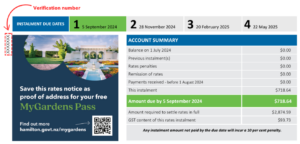
Rates, Council Charges and Holding Costs: The Quiet Feasibility Killer

In residential development and renovation, it’s easy to focus on build costs and sale prices — but many projects are quietly won or lost on time-based holding costs. Council rates, targeted charges (including water and wastewater), insurance, interest and compliance timing all compound when programmes slip. This article explains how to model holding costs in a New Zealand context, with practical notes for Hamilton and the wider Waikato.

Budgeting a Development: Land, Build, Infrastructure, Finance and Tax

A “good-looking” feasibility can fall over fast if the budget misses the real cost drivers: consent fees, development contributions, holding costs, GST timing, and contingency for programme risk. This practical New Zealand guide breaks down a residential development/renovation budget into the line items that lenders, councils and experienced builders expect to see, with notes for Hamilton and Waikato projects

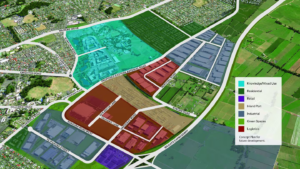
Ruakura Growth: Industrial Expansion and Housing Demand Links

Ruakura is more than a residential subdivision—it’s a combined housing-and-employment growth engine on Hamilton’s eastern edge. With Greenhill Park already delivering completed stages, plus the Ruakura Superhub’s inland port and logistics/industrial park scaling up, the area is a useful case study in how jobs, infrastructure and housing supply interact. Here are the key signals developers and renovators should track in Hamilton/Waikato

Rotokauri: Logistics Growth and What It Means for Residential Demand

Rotokauri sits on the northern edge of Hamilton and is increasingly shaped by one big theme: infrastructure-led growth. For residential developers and renovators, Rotokauri is worth watching because it combines (1) strategic transport connections, (2) large-scale stormwater and utility planning, and (3) masterplanned housing delivery nearby—each of which can shift feasibility, absorption rates, and what buyers expect.