How Density Rules Set Your Maximum Yield in New Zealand

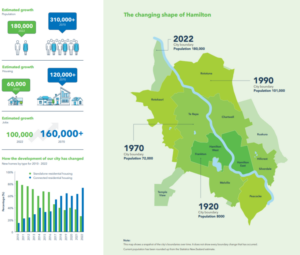
Zoning is the starting point for almost every development decision in New Zealand. It tells you what’s permitted, what standards you must meet (height, setbacks, site coverage, outdoor living, etc.), and when you’ll trigger resource consent. In Hamilton and across Waikato, recent intensification changes mean the “old rules of thumb” often no longer apply—so a quick, structured zoning check can save weeks of redesign and thousands in holding costs.

Due Diligence Before You Buy: LIM, Title, Easements, Covenants and Buildability Checks (NZ + Hamilton Notes)

A strong due diligence process in New Zealand is about confirming one thing: what you’re legally allowed to do, what the site can physically support, and what hidden costs or constraints could derail programme and feasibility. For residential development and renovation, the core documents are the LIM and the Record of Title, supported by a buildability-focused checklist.

Financing Options: Bank Development Loans vs Private Partners vs Pre-Sales

In New Zealand, funding is rarely “one-size-fits-all”. Banks tend to be cheaper but more conservative (documentation, equity, presales, QS/valuation controls). Non-bank lenders can be faster and more flexible (often higher cost). Joint ventures and private partners can unlock scale but require very clear governance and exit rules. This article breaks down the most common funding paths for small-to-mid residential developments and renovations, with practical notes for Hamilton and Waikato.

A Simple Feasibility Model for Small-Scale Developers

A good feasibility model doesn’t need to be complex—it needs to be realistic. In New Zealand, the biggest feasibility mistakes usually come from timing (holding costs), missing council charges (especially Development Contributions), and tax/GST assumptions that don’t match your strategy. This guide gives you a simple, lender-friendly feasibility structure you can use for small subdivisions, infill builds, or renovation-for-resale projects—plus practical notes for Hamilton and Waikato conditions

Rates, Council Charges and Holding Costs: The Quiet Feasibility Killer

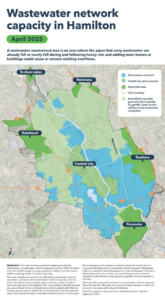
In residential development and renovation, it’s easy to focus on build costs and sale prices — but many projects are quietly won or lost on time-based holding costs. Council rates, targeted charges (including water and wastewater), insurance, interest and compliance timing all compound when programmes slip. This article explains how to model holding costs in a New Zealand context, with practical notes for Hamilton and the wider Waikato.

Budgeting a Development: Land, Build, Infrastructure, Finance and Tax

A “good-looking” feasibility can fall over fast if the budget misses the real cost drivers: consent fees, development contributions, holding costs, GST timing, and contingency for programme risk. This practical New Zealand guide breaks down a residential development/renovation budget into the line items that lenders, councils and experienced builders expect to see, with notes for Hamilton and Waikato projects