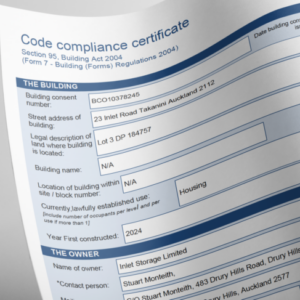
Buyer Due Diligence: What Purchasers Check Before Making an Offer

By the time a buyer makes an offer in Hamilton, most decisions are already formed. Due diligence is where confidence is either confirmed—or quietly lost. This article explains what buyers and their advisers typically check before committing, how those checks differ by buyer type, and how developers can remove friction to keep deals moving.

Marketing Residential Projects: What Actually Drives Enquiry in Hamilton

In Hamilton, enquiry isn’t driven by flashy campaigns—it’s driven by clarity. Buyers respond when marketing answers their real questions quickly: price positioning, livability, running costs, and certainty around compliance. This article breaks down what consistently generates enquiry for residential projects in Hamilton and Waikato, and what tends to waste time and money.

Pricing Strategy That Works: How to Set Asking Prices Without Killing Momentum

In Hamilton and across Waikato, pricing is less about finding the “perfect number” and more about creating momentum. The wrong price stalls interest, invites discounts, and increases holding costs. The right price attracts competition, shortens days on market, and protects value. This article explains how effective pricing strategies work in local residential markets—and how developers can avoid the most common pricing traps

Reading the Market Locally: How Hamilton Micro-Markets Behave Differently

Hamilton isn’t one housing market—it’s a collection of micro-markets shaped by zoning, schools, infrastructure timing and buyer profiles. Developers and renovators who price, design and stage projects to the right micro-market consistently outperform those who rely on citywide averages. This article shows how local dynamics differ across Hamilton and how to read them before you commit

Exit Strategies in Residential Development: Timing, Tax and Market Reality

A good exit is designed, not improvised. In Hamilton and across Waikato, exit strategy affects feasibility, funding terms, consent timing, tax outcomes and even design decisions. This article explains the main exit options used in NZ residential development, how timing and tax interact with each option, and how to choose an exit that survives real market conditions.

Partnerships and Joint Ventures: Structuring Residential Deals to Share Risk and Capital

As residential projects in Hamilton and across Waikato become more capital-intensive and compliance-heavy, partnerships and joint ventures (JVs) are increasingly used to unlock sites, spread risk, and accelerate delivery. Done well, they align skills and capital. Done poorly, they create disputes that stall projects. This article explains common JV structures in New Zealand residential development, where risks usually sit, and how to set partnerships up for clarity rather than conflict.