Parking Minimums vs Yield: The Trade-Off Every Site Faces

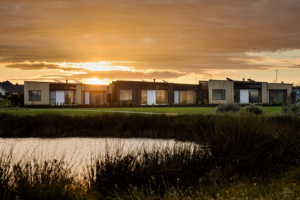
On paper, higher yield usually wins the feasibility. On the ground, parking rules, access geometry, and neighbour impacts can quietly cap what you can deliver — or push you into a design that’s harder to consent, build, and sell. This article explains how seasoned developers in Hamilton and Waikato balance parking provision against yield without creating a compromised product.

The Second Kitchen Debate: When It Adds Value (and When It Doesn’t)

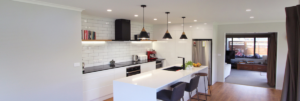
Second kitchens and “butler’s pantries with cooktops” are showing up more often in New Zealand new builds and higher-end renovations, but they don’t automatically add value. Done well, they support multi-generational living, entertaining, and strong rental performance in certain segments. Done poorly, they become dead space, compliance friction, and a resale question mark.

Multi-Generational Layouts: Dual Living, Extra Bathrooms and Privacy Zones

Multi-generational living is no longer a niche scenario in New Zealand — it’s a practical response to housing costs, childcare needs, and extended family support. For developers and renovators, the opportunity is to design layouts that genuinely function as “together, but separate” without blowing out build cost or creating awkward resale risk. This article covers the design moves that make dual living work in Hamilton and the wider Waikato market.

Daylight and Outdoor Living: Design Moves That Sell in NZ

In New Zealand housing, buyers and tenants don’t just purchase bedrooms and bathrooms — they buy daylight, warmth, and a living space that works year-round. In practice, small design moves around window placement, room depth, and outdoor connections can lift perceived value more reliably than adding floor area. This article focuses on the daylight and outdoor-living decisions that consistently improve liveability and saleability in Hamilton and the wider Waikato.

Single House vs Multi-Unit vs Terrace: Choosing the Right Typology for the Site

In New Zealand development, “more dwellings” is not always the best outcome if it introduces parking pain, servicing constraints, awkward layouts, or slow sales. The right typology is the one that fits the site’s limits, matches the local buyer or tenant profile, and keeps delivery risk inside your capability. Here’s a practical way to choose between a single house, a small multi-unit scheme, or terrace-style housing in Hamilton and the wider Waikato.