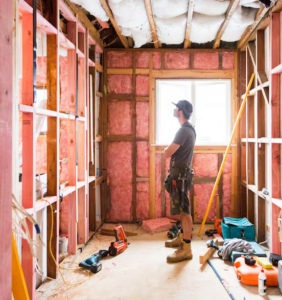
Heat Pumps and Ventilation: Getting Healthy Homes Right the First Time

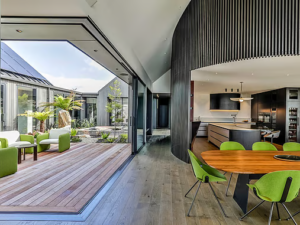
Most Healthy Homes failures are not caused by missing equipment — they’re caused by systems that technically comply but don’t work well in real life. Heat pumps that don’t heat evenly, fans tenants switch off, and layouts that trap moisture all lead to complaints and call-backs. This article explains how to design heating and ventilation that actually performs in Hamilton and the wider Waikato.

Insulation R-Values Explained: What “Good” Looks Like in 2026

Insulation compliance in New Zealand sets a floor, not a benchmark for comfort or performance. As expectations rise and operating costs matter more to buyers and tenants, the question is no longer “does it meet code?” but “does it actually perform well in daily use?”. This article explains how to think about R-values in 2026 — practically, commercially, and with Waikato conditions in mind.

E2/AS1 Weather-Tightness: Flashings, Cavities and Common Failure Points

Most weathertightness failures in New Zealand don’t come from exotic design — they come from ordinary details executed inconsistently. E2/AS1 provides a clear, workable framework, but its effectiveness depends on how well flashings, cavities, and junctions are designed and built on real sites. This article focuses on the failure points developers actually encounter in Hamilton and the wider Waikato, and how to avoid them.

Double Glazing and Thermal Comfort: What Actually Moves the Needle

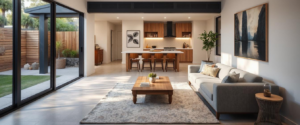
Double glazing is often marketed as a silver bullet for warmth and energy efficiency, but in New Zealand conditions its real value depends on how it’s specified, detailed, and integrated with the rest of the building. In Hamilton and the wider Waikato, the biggest comfort gains come from a small set of decisions that go beyond “single vs double”. This article explains what genuinely improves thermal comfort — and what mostly adds cost without shifting outcomes.

Roofing Options: Colorsteel vs Concrete Tile in NZ Conditions

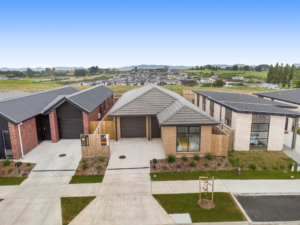
Roofing decisions in New Zealand are often framed as a style choice, but in practice they affect moisture performance, maintenance cycles, structural cost, and long-term durability. In Hamilton and the wider Waikato, where humidity, rainfall, and winter condensation are real factors, the choice between Colorsteel and concrete tile has clear operational consequences. This article compares the two through a practical, risk-aware lens.

Weatherboard vs Brick Veneer vs Plaster: Pros, Cons and Maintenance

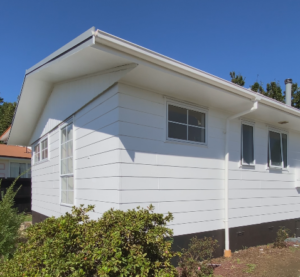
Cladding choice in New Zealand is never just an aesthetic decision. It shapes maintenance cost, buyer perception, moisture risk, and how forgiving the building will be over time. This article compares weatherboard, brick veneer, and plaster systems through a practical lens, with specific implications for Hamilton and the wider Waikato market.