Slab vs Piles: Choosing Foundations for Site Conditions and Budget

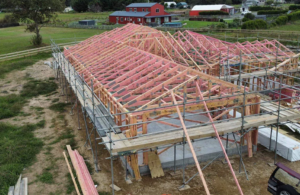
Foundation choice is one of the earliest decisions that quietly controls cost, programme, and future performance. In New Zealand residential builds, the “right” answer depends less on preference and more on ground conditions, levels, moisture, and buildability. This article explains how experienced operators weigh slabs versus piles for real sites in Hamilton and the wider Waikato.

Renovation ROI: Kitchen, Bathroom and Heating Priorities

In New Zealand renovations, the highest-return spend is rarely the most expensive feature — it’s the upgrade that removes a daily “pain point” for the widest range of buyers or tenants. Kitchens, bathrooms, and heating sit at the top because they shape liveability, perceived quality, and ongoing costs. This article explains how seasoned renovators prioritise these three areas for strong ROI in Hamilton and the wider Waikato.

Renovation Layout Planning: When to Reconfigure vs Refresh

Most renovation budgets in New Zealand get wasted in one of two ways: overbuilding a layout that the house doesn’t need, or “refreshing” a plan that never worked in the first place. The best outcomes come from making a clear early call on whether you’re doing a cosmetic uplift, a functional reconfigure, or a structural reset. This article sets out a practical decision framework that holds up in Hamilton and across Waikato.

“Build to Rent” Design: Durability, Maintenance and Tenant Experience

Build to Rent shifts the design brief from “sell well on day one” to “perform well for years, at scale, with predictable maintenance”. In New Zealand, that means designing for durability, easy servicing, and tenant comfort that holds up through multiple tenancies. This article sets out the practical design choices that reduce call-backs, protect operating margin, and improve tenant retention

Designing for Healthy Homes: Warmth, Ventilation and Moisture Control

Healthy Homes isn’t just a compliance topic — it’s a design and delivery discipline that affects tenant quality, vacancy risk, and long-term maintenance. In New Zealand, the best-performing homes are the ones that feel warm, dry, and easy to live in without constant “workarounds”. This article breaks down the practical design choices that get warmth, ventilation, and moisture control right the first time.

Acoustic and Fire Separation: The Hidden Costs in Attached Housing

Attached housing can look efficient on a yield plan, then surprise you in delivery when acoustic and fire separation requirements start driving wall thickness, junction detailing, services coordination, and inspection evidence. These are “quiet” cost items that don’t show up in glossy renders but can materially affect programme, margin, and buyer satisfaction. This article explains how to plan inter-tenancy separation properly in Hamilton and the wider Waikato.