Exit Strategies in Residential Development: Timing, Tax and Market Reality

A good exit is designed, not improvised. In Hamilton and across Waikato, exit strategy affects feasibility, funding terms, consent timing, tax outcomes and even design decisions. This article explains the main exit options used in NZ residential development, how timing and tax interact with each option, and how to choose an exit that survives real market conditions.

Partnerships and Joint Ventures: Structuring Residential Deals to Share Risk and Capital

As residential projects in Hamilton and across Waikato become more capital-intensive and compliance-heavy, partnerships and joint ventures (JVs) are increasingly used to unlock sites, spread risk, and accelerate delivery. Done well, they align skills and capital. Done poorly, they create disputes that stall projects. This article explains common JV structures in New Zealand residential development, where risks usually sit, and how to set partnerships up for clarity rather than conflict.

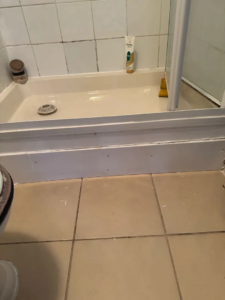
Should Older NZ Homes Replace the Bath with a Shower?

Many bathroom renovations in older NZ homes start with the same question: keep the bath, or remove it entirely? The right answer depends less on trends and more on how the home is used, who lives there, and what the local market expects. This article explains when replacing a bath makes sense — and when it doesn’t.

Hamilton Housing Data Mid-Winter: Interpreting Volume, Not Headlines

Mid-winter housing data often generates mixed headlines, but volume and composition provide more insight than price movement alone. In Hamilton and across Waikato, transaction patterns in mid-2025 point to a market adjusting steadily rather than weakening abruptly.

Small NZ Bathrooms Can Still Have a Bathtub — If You Plan It Right

Limited space doesn’t automatically rule out a bathtub. In many New Zealand homes, especially older Waikato properties, smart layout and realistic expectations make baths possible even in compact bathrooms. This article explains when a bathtub works — and when it becomes a compromise too far.

Working with Councils Effectively: How to Reduce RFIs and Keep Consents Moving

Most consent delays aren’t caused by “tough rules”—they’re caused by incomplete information, misaligned documents, or late design decisions. In Hamilton and across Waikato, developers who understand how councils assess applications can materially reduce RFIs, shorten processing time, and lower holding costs. This article sets out a practical, NZ-specific approach to working with councils more effectively.