Reading the Market Locally: How Hamilton Micro-Markets Behave Differently

Hamilton isn’t one housing market—it’s a collection of micro-markets shaped by zoning, schools, infrastructure timing and buyer profiles. Developers and renovators who price, design and stage projects to the right micro-market consistently outperform those who rely on citywide averages. This article shows how local dynamics differ across Hamilton and how to read them before you commit

Buying a Bathtub in NZ: The 5 Parameters That Matter Most

Bathtub selection often focuses on style and size, but long-term performance in NZ homes depends on a small set of technical parameters. Missing any one of these can lead to comfort issues, premature wear, or costly rework. This article breaks down the five factors that matter most when buying a bathtub for New Zealand conditions.

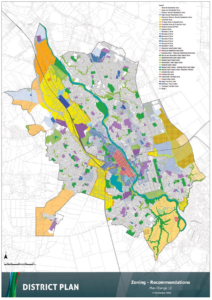
District Plan Settings and Development Feasibility in Hamilton

Planning and zoning settings play a growing role in determining development feasibility in Hamilton. As density rules, development contributions and infrastructure sequencing shape project outcomes, understanding the District Plan has become essential for developers and investors operating in the region.

Which Bathtub Materials Meet NZ Environmental Standards?

Environmental performance is becoming an increasingly important consideration in NZ bathroom renovations. Bathtub materials vary widely in how they are manufactured, used, and disposed of. This article explains which bathtub materials align best with New Zealand’s environmental expectations — and where the hidden trade-offs sit.

Exit Strategies in Residential Development: Timing, Tax and Market Reality

A good exit is designed, not improvised. In Hamilton and across Waikato, exit strategy affects feasibility, funding terms, consent timing, tax outcomes and even design decisions. This article explains the main exit options used in NZ residential development, how timing and tax interact with each option, and how to choose an exit that survives real market conditions.

Partnerships and Joint Ventures: Structuring Residential Deals to Share Risk and Capital

As residential projects in Hamilton and across Waikato become more capital-intensive and compliance-heavy, partnerships and joint ventures (JVs) are increasingly used to unlock sites, spread risk, and accelerate delivery. Done well, they align skills and capital. Done poorly, they create disputes that stall projects. This article explains common JV structures in New Zealand residential development, where risks usually sit, and how to set partnerships up for clarity rather than conflict.