Should Older NZ Homes Replace the Bath with a Shower?

Many bathroom renovations in older NZ homes start with the same question: keep the bath, or remove it entirely? The right answer depends less on trends and more on how the home is used, who lives there, and what the local market expects. This article explains when replacing a bath makes sense — and when it doesn’t.

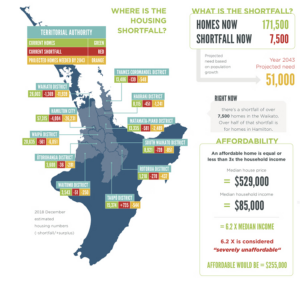
Hamilton Housing Data Mid-Winter: Interpreting Volume, Not Headlines

Mid-winter housing data often generates mixed headlines, but volume and composition provide more insight than price movement alone. In Hamilton and across Waikato, transaction patterns in mid-2025 point to a market adjusting steadily rather than weakening abruptly.

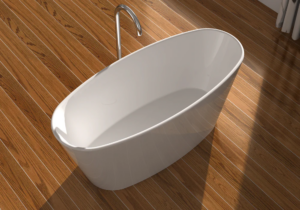
Small NZ Bathrooms Can Still Have a Bathtub — If You Plan It Right

Limited space doesn’t automatically rule out a bathtub. In many New Zealand homes, especially older Waikato properties, smart layout and realistic expectations make baths possible even in compact bathrooms. This article explains when a bathtub works — and when it becomes a compromise too far.

Working with Councils Effectively: How to Reduce RFIs and Keep Consents Moving

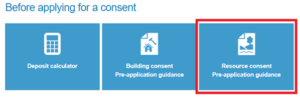
Most consent delays aren’t caused by “tough rules”—they’re caused by incomplete information, misaligned documents, or late design decisions. In Hamilton and across Waikato, developers who understand how councils assess applications can materially reduce RFIs, shorten processing time, and lower holding costs. This article sets out a practical, NZ-specific approach to working with councils more effectively.

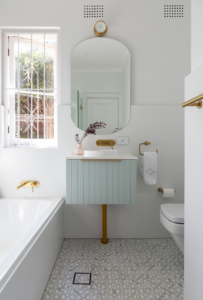
Interest Rates and Lending Caution: What They Mean for Regional Projects in 2025

While interest rate volatility has eased, lending conditions in New Zealand remain cautious. For regional markets such as Hamilton and the wider Waikato, project feasibility in 2025 is increasingly shaped by how banks assess risk rather than by interest rates alone.

Why NZ Bathtub Hot Water Is Limited to 55°C

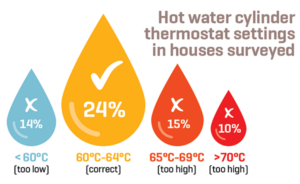
Many NZ homeowners are surprised to learn that bathtub hot water outlets are legally limited in temperature. This is not an efficiency rule — it is a safety requirement rooted in real injury data. This article explains why the 55°C limit exists, how it is enforced, and what it means for everyday bathing.