Neighbour Approvals (Written Approval): When You Need Them and How to Avoid Getting Stuck

In New Zealand, “neighbour approval” usually means Written Approval of Affected Persons under the resource consent process. Done well, it can reduce notification risk and shorten timelines. Done poorly, it can create conflict, refusals, and delays. Here’s a practical, NZ-style guide (with Hamilton and Waikato examples) on when written approvals matter and how to approach them professionally.

LIM + Flood Overlays: How Hazard Rules Can Change Your Design and Cost in Hamilton/Waikato

In New Zealand, flood risk isn’t just an insurance or “future climate” conversation—it’s a planning and design issue right now. Flood overlays, overland flow paths, and council-held hazard data can affect minimum floor levels, stormwater strategy, consent pathways, and even what must be disclosed in a LIM. This article explains how to read those signals in a practical way, with Hamilton/Waikato-specific notes

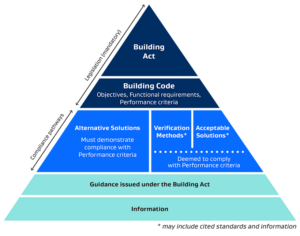
Resource Consent vs Building Consent: What Triggers Each, and How to Avoid Delay

In New Zealand, delays often happen not because a project is “hard”, but because the wrong consent pathway (or incomplete documents) slows everything down. This guide explains when you need a resource consent vs a building consent, how the two interact, and the practical steps that help projects move faster—especially in Hamilton and the wider Waikato

How Density Rules Set Your Maximum Yield in New Zealand

Zoning is the starting point for almost every development decision in New Zealand. It tells you what’s permitted, what standards you must meet (height, setbacks, site coverage, outdoor living, etc.), and when you’ll trigger resource consent. In Hamilton and across Waikato, recent intensification changes mean the “old rules of thumb” often no longer apply—so a quick, structured zoning check can save weeks of redesign and thousands in holding costs.

Silicone Sealing Around Basins: Where Mould Usually Starts

Silicone joints around basins look minor, but they are one of the most common failure points in NZ bathrooms. Once mould appears, it usually signals deeper moisture issues behind the surface. This article explains where mould typically starts — and why it keeps coming back.

Renovation Momentum and Compliance Trends Across Hamilton in 2025

Renovation activity across Hamilton continues to show resilience in 2025, driven by sustained homeowner interest and regulatory expectations around quality and compliance. With builders and homeowners increasingly prioritising durable construction and performance upgrades, renovation remains a core pillar of the regional built environment