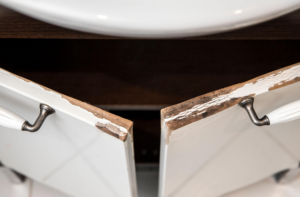
Why MDF Vanities Fail Early in Rental Properties

MDF vanities are commonly installed in rental bathrooms to keep renovation costs down. In practice, they are also one of the most frequent causes of early cabinet failure. This article explains why MDF struggles in NZ rental conditions — and why the damage often goes unnoticed until replacement is unavoidable.

Due Diligence Before You Buy: LIM, Title, Easements, Covenants and Buildability Checks (NZ + Hamilton Notes)

A strong due diligence process in New Zealand is about confirming one thing: what you’re legally allowed to do, what the site can physically support, and what hidden costs or constraints could derail programme and feasibility. For residential development and renovation, the core documents are the LIM and the Record of Title, supported by a buildability-focused checklist.

Financing Options: Bank Development Loans vs Private Partners vs Pre-Sales

In New Zealand, funding is rarely “one-size-fits-all”. Banks tend to be cheaper but more conservative (documentation, equity, presales, QS/valuation controls). Non-bank lenders can be faster and more flexible (often higher cost). Joint ventures and private partners can unlock scale but require very clear governance and exit rules. This article breaks down the most common funding paths for small-to-mid residential developments and renovations, with practical notes for Hamilton and Waikato.

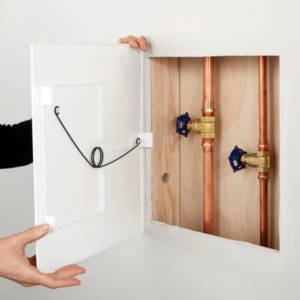
Plumbing Access Panels: The Detail Most Vanity Buyers Miss

Most vanity cabinets look complete once installed, but many hide a costly oversight: no proper access to plumbing. In New Zealand bathrooms, where minor leaks are common and often slow to reveal themselves, access panels can determine whether a repair is simple — or destructive.

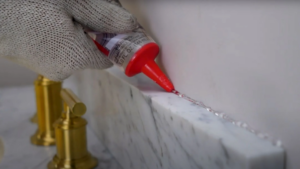
How to Spot Poor Cabinet Sealing Before Installation

Most vanity cabinet failures start long before the bathroom is used — they begin with poor sealing that goes unnoticed at delivery. In New Zealand’s humid bathroom environments, small sealing gaps quickly turn into permanent damage. This article explains how to identify sealing problems before a cabinet is installed and access becomes impossible.

A Simple Feasibility Model for Small-Scale Developers

A good feasibility model doesn’t need to be complex—it needs to be realistic. In New Zealand, the biggest feasibility mistakes usually come from timing (holding costs), missing council charges (especially Development Contributions), and tax/GST assumptions that don’t match your strategy. This guide gives you a simple, lender-friendly feasibility structure you can use for small subdivisions, infill builds, or renovation-for-resale projects—plus practical notes for Hamilton and Waikato conditions