Slab vs Piles: Choosing Foundations for Site Conditions and Budget

Foundation choice is one of the earliest decisions that quietly controls cost, programme, and future performance. In New Zealand residential builds, the “right” answer depends less on preference and more on ground conditions, levels, moisture, and buildability. This article explains how experienced operators weigh slabs versus piles for real sites in Hamilton and the wider Waikato.

Heated Towel Rails vs Bathroom Ventilation: Why One Can’t Replace the Other

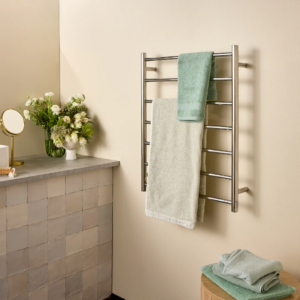
Heated towel rails are often expected to solve damp bathroom problems on their own. In NZ homes, this misunderstanding leads to lingering moisture, mould, and disappointed owners. This article explains how towel rails and ventilation actually work together — and why one cannot compensate for the absence of the other.

Renovation ROI: Kitchen, Bathroom and Heating Priorities

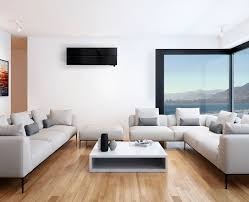
In New Zealand renovations, the highest-return spend is rarely the most expensive feature — it’s the upgrade that removes a daily “pain point” for the widest range of buyers or tenants. Kitchens, bathrooms, and heating sit at the top because they shape liveability, perceived quality, and ongoing costs. This article explains how seasoned renovators prioritise these three areas for strong ROI in Hamilton and the wider Waikato.

Renovation Layout Planning: When to Reconfigure vs Refresh

Most renovation budgets in New Zealand get wasted in one of two ways: overbuilding a layout that the house doesn’t need, or “refreshing” a plan that never worked in the first place. The best outcomes come from making a clear early call on whether you’re doing a cosmetic uplift, a functional reconfigure, or a structural reset. This article sets out a practical decision framework that holds up in Hamilton and across Waikato.

Long-Term Holding Strategies in a Higher-Standard Market

As standards rise across New Zealand’s housing market, long-term holding strategies are evolving. In Hamilton and across Waikato, investors are increasingly focused on durability, compliance and operating performance rather than short-term optimisation.

“Build to Rent” Design: Durability, Maintenance and Tenant Experience

Build to Rent shifts the design brief from “sell well on day one” to “perform well for years, at scale, with predictable maintenance”. In New Zealand, that means designing for durability, easy servicing, and tenant comfort that holds up through multiple tenancies. This article sets out the practical design choices that reduce call-backs, protect operating margin, and improve tenant retention