New Zealand Housing Consents Show Early Signs of Stabilisation — What It Means for Waikato Developers

New Zealand Housing Consents Show Early Signs of Stabilisation — What It Means for Waikato Developers

New Zealand Housing Market Starts 2026 with Flat Prices and Buyer Confidence

New Zealand’s housing market has eased into 2026 with continued stability rather than rapid price growth, according to the latest property data. The national housing market is reflecting a balance between buyer interest and cautious sentiment from vendors, suggesting a measured start to the year rather than a rebound boom.

Supply Chain Risk: How to Plan for Lead Times Without Stalling the Build

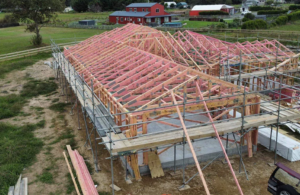
In residential construction, programmes rarely fail because one item is late — they fail because multiple small delays stack up and remove all slack from the build. Supply chain risk is now a permanent feature of the New Zealand market, not a temporary disruption. This article sets out how experienced developers plan lead times and procurement so materials support the build, rather than quietly controlling it.

Wastewater Connection Planning: Capacity, Levels and Compliance

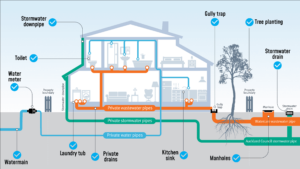
Wastewater is rarely visible in marketing renders, but it is one of the fastest ways to derail a residential project if it’s misunderstood early. Connection capacity, invert levels, and council conditions quietly shape what can be built, how much it costs, and how smoothly it consents. This article breaks down wastewater planning realities for developers and renovators in Hamilton and the wider Waikato.


Granny Flats Rules & National Direction Shift: What’s New for Housing Development

From mid-January 2026, New Zealand implemented significant changes to planning and building consent requirements, including a consent exemption for small standalone dwellings (“granny flats”) and updated national direction instruments that affect housing development and infrastructure planning. These reforms aim to streamline build processes and reduce red tape — but compliance requirements and local planning impacts remain essential considerations for developers and investors

Vanity Cabinet Materials in NZ Bathrooms: MDF vs Plywood vs Solid Timber

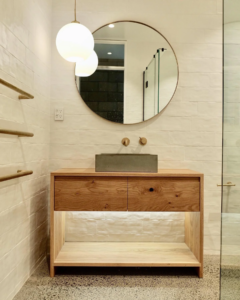
Bathroom vanities fail in predictable ways: swollen kickboards, peeling edges, and soft bottoms around plumbing cut-outs. In NZ conditions (especially winter humidity), the cabinet material and edge-sealing quality matter more than the showroom finish. This guide explains how MDF, plywood, and solid timber behave in real bathrooms — and what to check before you buy or sign off an install