The Convergence of Clause H1 and Automation: Why Smart Homes Are the Future of NZ Energy Efficiency

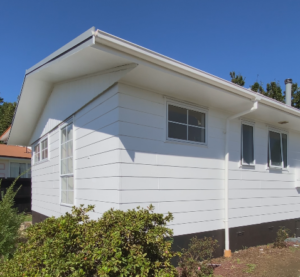
The closing transition window for Building Code Clause H1 (Energy Efficiency) on November 26, 2026, marks the end of isolated, component-by-component building design. By removing the traditional Schedule Method, MBIE now requires new residential builds to demonstrate total, integrated thermal envelope performance.

Navigating the 2026 NZ Building Code Transition: The Shift to Whole-System Performance

The New Zealand residential construction sector is currently experiencing a major structural reset. Following years of fluctuating material costs and high interest rates, the focus across the industry has decisively shifted away from volume and speed. Today, the priority is delivery certainty, fiscal discipline, and design efficiency.

Strategic Refreshes: Maximizing Lifecycle and Value in Existing Homes

Renovation is an exercise in strategic asset allocation. Knowing where to invest structural capital versus where to update architectural finishes dictates both the immediate financial success and the long-term viability of a property project.

Vanity Sizes in NZ Bathrooms: Getting Width, Depth and Height Right

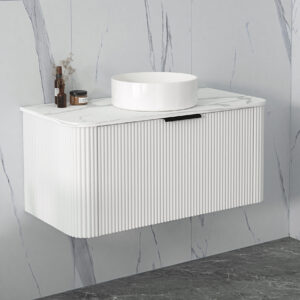
Vanity sizing looks simple until the bathroom is in daily use and you realise the drawers hit knees, the basin feels too low, or the depth steals walking space. In New Zealand bathrooms, the “right size” is a balance between ergonomics, plumbing reality, and how much clearance your layout actually has. This article explains how to choose width, depth, and height so the vanity feels correct long-term.


Contractor Default Risk: Warning Signs and Contract Protections

Most residential projects don’t collapse overnight — they unravel slowly when a contractor is under pressure and nobody intervenes early. Contractor default risk is not just about insolvency; it includes abandonment, chronic delay, quality failure, and loss of site control. This article outlines the early warning signs and practical protections developers use to limit exposure in Hamilton and the wider Waikato.

Basin Types in NZ Bathrooms: Above-Counter, Undermount and Integrated Explained

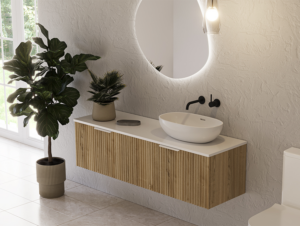
Basin style changes more than the look of a vanity — it affects cleaning time, splash control, and how forgiving the install is over years of use. In New Zealand bathrooms, the “best” basin type depends on who uses the bathroom and how tightly the budget controls future maintenance. This guide compares above-counter, undermount, and integrated basins in practical NZ terms.